The following reporters contributed to this investigation: Alayna Wilkening, Andrew Miller, Chloe Oden, Deshna Venkatachalam, Ella Curlin, Emerson Elledge, Grace Fridy, Jack Forrest, Jonathan Frey, Mia Hilkowitz, Mia Lehmkuhl, Natalia Nelson
Emily Tappan had tried everything to combat her son’s aggressive behavior by the time she turned to Bloomington Meadows Hospital in 2021.
After her 7-year-old started trying to hurt himself and others a few months before, she brought him to Community Hospital North in Indianapolis, where she said he spent about 10 days. When his behavior didn’t subside, she tried bringing him to her local ER. Staff there referred her to Bloomington Meadows Hospital, one of the only inpatient facilities that would take a patient so young.
When she went to pick her son up about a week later, the first thing she wanted was a hug. But as she embraced him, she saw red dots and bruising, the results of many shot marks, across his arms and legs. He had a bruise on his forehead, scratches and a split lip.
Tappan wanted to know what happened. When her son previously stayed at Community Hospital North, staff had called her if they had to restrain or sedate him. No one at Meadows had reached out even once, she said. Later, her son told her what happened.
“He’d go to sleep for a — for a while, wake up. They would do something, like feed him, or he may have some type of activity,” she said. “Then they would restrain him, sedate him again. And it was just, like, that type of a cycle.”
•••
Seven former patients and two parents who sent their children to Meadows told the Indiana Daily Student the hospital failed to uphold a quality of care needed for their well-being.
Patients told the IDS that Meadows staff administered medication in ways that did not seem appropriate, struggled to competently supervise patients and refused admission to a patient undergoing an active mental health crisis. One patient told the IDS she experienced permanent nerve damage in her left leg, which she claims was caused by medications being administered in the same muscle repeatedly via shot.
Documentation from 29 federal inspections of the hospital from 2016 to 2024 reveal a years-long struggle to properly staff Meadows, which has resulted in regulators’ findings of shortcomings in patients' care, supervision and safety. While the federal inspections, obtained by the IDS through a public records request, appear to have stopped in late 2024, patients and staff said problems have continued more recently.
A representative for Universal Health Services, the healthcare management company that owns Meadows, declined an interview request with the IDS for this story. Meadows and UHS did not respond to other requests for comment from the IDS, including a detailed three-page list of questions.
When a patient walks into any inpatient mental health facility, they should receive humane care and be protected from harm, Indiana and federal law states.
The deficiencies at Meadows identified by federal inspectors and patients are common with residential treatment facilities across the country. In 2022, two U.S. Senate committees launched an investigation into four major health care providers, including Meadows’ parent company Universal Health Services, over allegations of abuse and neglect of children at residential treatment facilities across the country. Meadows is not explicitly mentioned in the final report. The committee report found that across the board, residential treatment facilities from the four providers failed to “individualize treatment plans and administer the therapeutic behavior health care” advertised. The report also found facilities often lacked proper documentation, especially for the use of restraint and seclusion, and regularly failed to “conduct quality discharge planning for children.”
As one of Bloomington’s major mental health facilities, the quality of care at Meadows deserves scrutiny. To help better understand the challenges faced by facilities like Meadows, the IDS spoke to former patients, a former employee and reviewed public records, including reports of inspections by government agencies. The IDS’s investigation revealed an institution that often struggled to meet the standards for providing vulnerable patients with the care they needed.
Meadows treats patients for a wide range of mental health struggles, from depression to psychosis. For patients at risk of harming themselves or others, there are extra protocols in place at Meadows to keep them safe, according to federal inspection reports. One such protocol called 1:1 observation requires dedicated staff members to stay within one arm’s length of certain patients to ensure they do not harm themselves or others, observing patients even when they are showering or using the bathroom.
These protocols should have kept Shauna safe during her stays at Meadows.
Instead, the 26-year-old said she was able to make multiple attempts on her life while in the facility.
Emerson Elledge | IDS
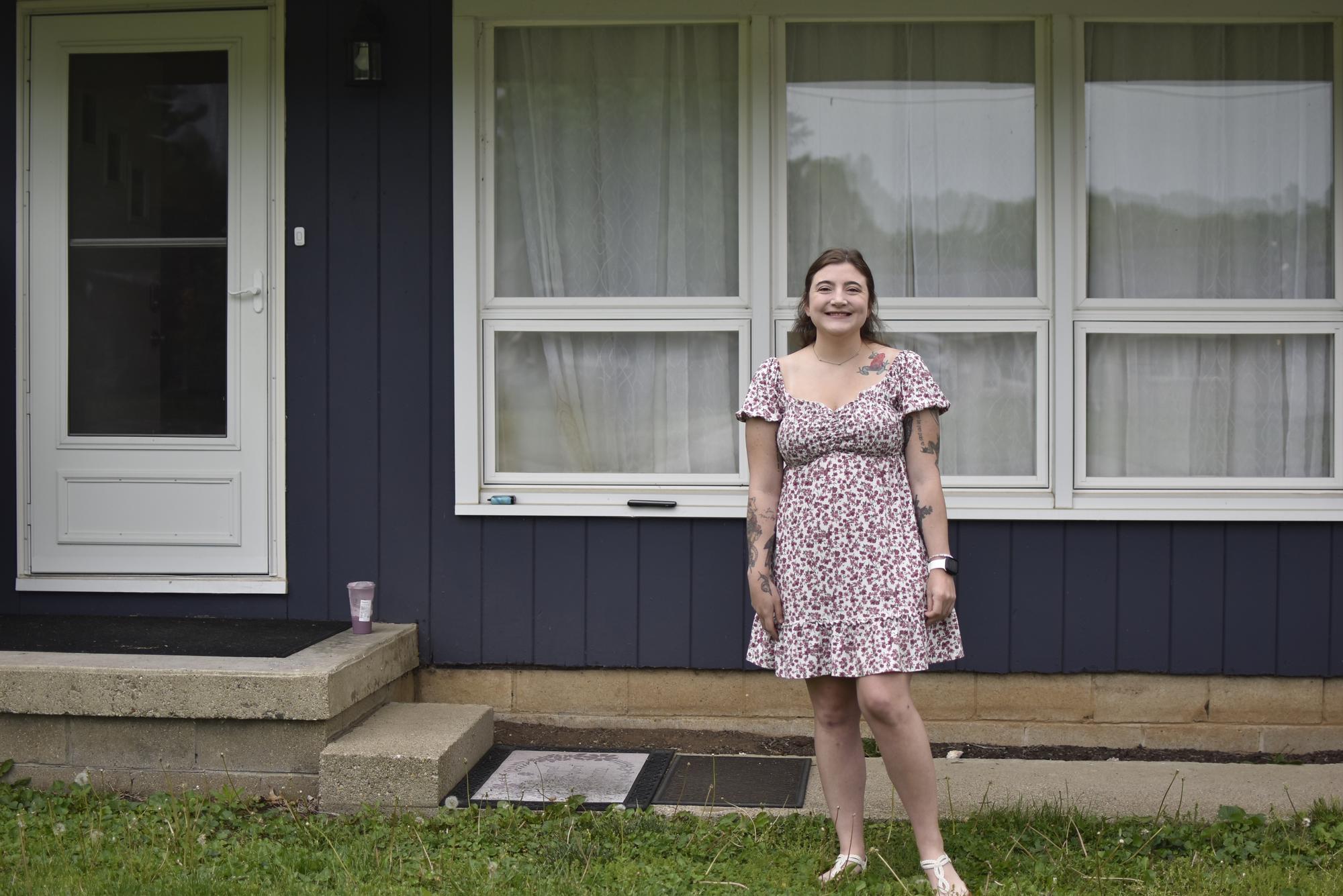
Shauna, who asked not to share her last name to avoid scrutiny at her place of employment, said she had stayed at Meadows 26 times since 2017, including twice while she was an adolescent. She’s struggled with borderline personality disorder and suicidal ideation.
During her most recent stay in October 2025, she was placed on 1:1 observation, though she said she wasn’t properly monitored. While unsupervised in a bathroom, Shauna said she ripped a washcloth into strips, tied the strips together and tied them around her neck. She said she was nearly unconscious by the time Meadows staff found her.
A supervisor spoke to the employee who was supposed to watch Shauna and determined it was “a misunderstanding or something like that,” Shauna recalled staff telling her.
The October 2025 incident wasn’t her first suicide attempt at the facility. In 2019, Shauna said she snuck in a belt, then used it to try to take her life. Another time, she said she pulled a nail from one of the facility’s baseboards and used it to lacerate her arm.
Alleged failure of 1:1 observations has been raised as a concern by federal regulators, as shown in a 2018 federal hospital investigation report obtained by the IDS. The investigation found nurses were encouraged to get physicians to discontinue 1:1 observation of patients when the facility was understaffed.
“Like, I could have died,” Shauna told the IDS. “And that was because they weren’t doing their job.”
•••
Reports from 29 federal inspections spanning from 2016 to 2024 reveal observation levels weren’t the only components of care sacrificed within the facility. The Centers for Medicare and Medicaid Services and the Indiana Department of Health oversee acute care providers’ compliance with federal regulations to determine if providers are meeting the necessary standards of care to participate in Medicare and Medicaid programs. These agencies conduct periodic, routine inspections, but also conduct investigations when they receive complaints against a hospital. The IDS requested all public licensure surveys maintained by these agencies for Meadows from 2015 to February 2026.
The IDS received reports for 29 inspections of Meadows from 2016 to 2024 through this public records request. Twenty-two of these inspections were in response to complaints received against the hospital, while the other seven were routine validation inspections. In 19 of these 29, inspectors found deficiencies in patient safety and quality of care. The other 10 reports did not find any deficiencies and found Meadows in compliance with federal and state regulations.
In November 2018, investigators found several Meadows patients did not have a documented list of physician goals or individualized treatment interventions and “many of the nursing interventions were the same regardless of patient need,” a violation of federal regulations. Regulators also found that several patients had undergone physical examinations that were not countersigned by physicians, as is necessary under federal regulations.
Patients who spent time in the facility more recently told the IDS they received confusing diagnoses and prescriptions and experienced a lack of individualized treatment.
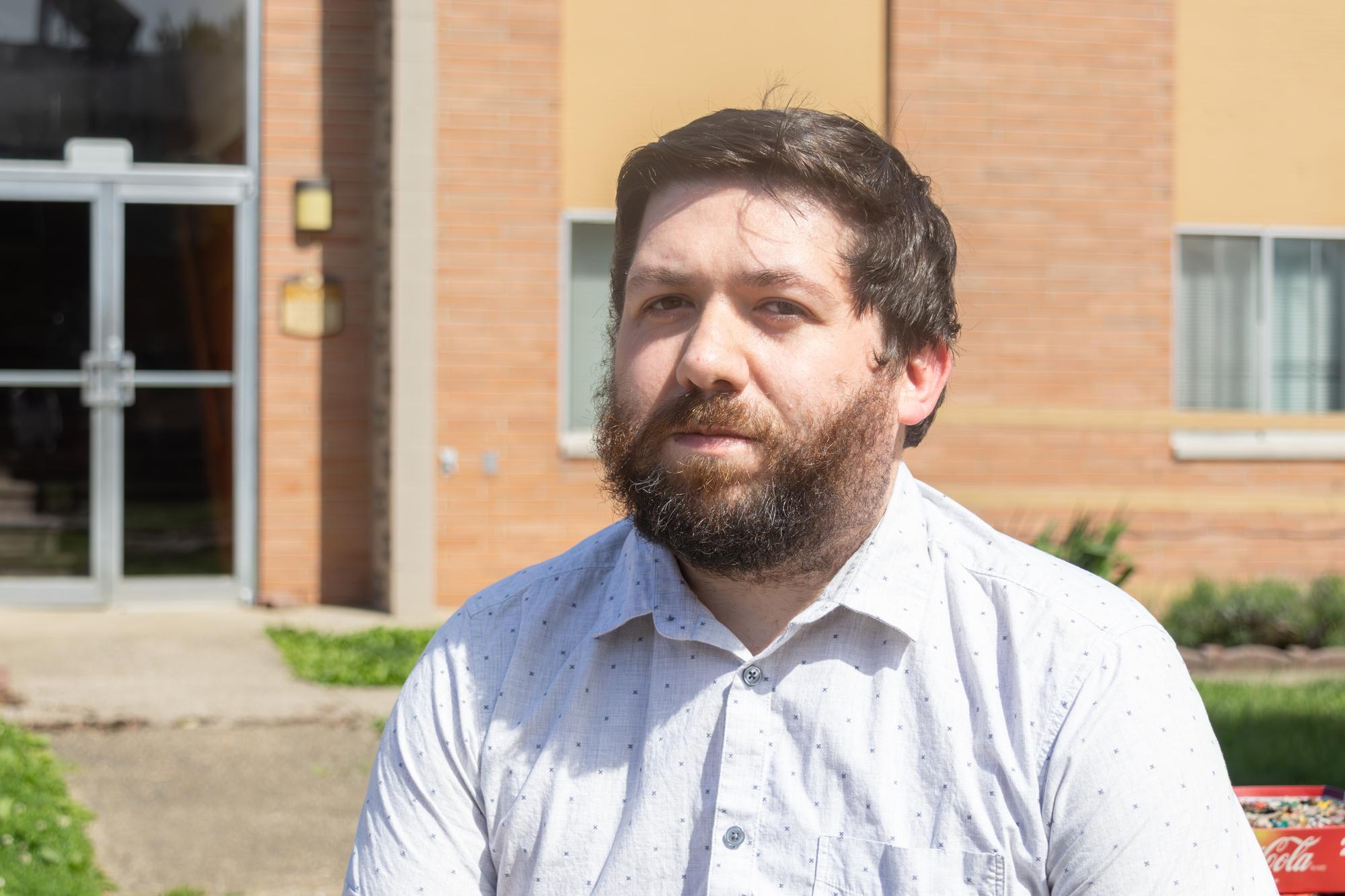
One 21-year-old patient, who requested to go by the pseudonym Erin, said some medications Meadows gave her during each of her five visits could actually “feel like they were regulating.” Others, she said, sent her into a “spiral.”
Chloe LaVelle | IDS
“They medicate the kids with whatever they think,” Erin’s mother told the IDS. “They don’t spend enough time with a psychiatrist to be able to medicate correctly, and then they send them home with not really any forward-going plans on medication or anything.”
James Doyle, who’s struggled with major depressive disorder, went to Meadows in 2020 after being referred there by IU Health Morgan. While there, the now-33-year-old said a doctor started him on a high dosage of Aripiprazole with another unknown medication. Doyle said the combination made him sleep the entire day and feel “very out of it.”
Doyle said he requested to go home and get a second opinion from his doctor based on the reaction he had to the medication.

“They kept telling me, like, ‘No, you’re going to stay here,’” Doyle said. “And it was really a fight on that, so I had to just keep telling them, like, ‘I want a second opinion. I’m not taking my medicine till I get my second opinion.’”
He said the nurses "finally let up” and he was allowed to leave the fourth morning of his stay.
The November 2018 federal inspection report found Meadows lacked documentation of patient and family participation in patients’ treatment plans, which the report said meant the facility “failed to ensure protection of the patient rights” for self- and family- involvement. Patients have a right to be informed and participate in the development and implementation of their plans of care under federal regulations.
Adam, who declined to be identified by his last name, brought his then-15-year-old daughter to Meadows for inpatient care around 2021. To him, the problem seemed clear: two days after her doctor prescribed and started her on a new depression medication, which listed suicidal ideation as a potential side effect, his daughter texted friends that she had taken a bunch of pills.
The diagnosis and medication she left the facility with, however, perplexed him.
His daughter, who he said met with a practitioner at Meadows for about 20 to 30 minutes, was diagnosed by the practitioner with bipolar personality disorder. However, she’d shown no symptoms of the mental health condition before her arrival and had no history of it, he said. The practitioner also hadn’t consulted her family about any of her behavior, according to Adam.
The diagnosis also confused doctors the family consulted after he brought his daughter home — he said they couldn’t believe she was ever diagnosed with bipolar disorder.
•••
Indiana code states patients have the right, unless restricted for a good cause, to wear their own clothes and keep and use their own possessions in a residential treatment setting. That’s generally common in mental health care facilities across the country, barring circumstances where items or clothing could pose a threat to safety or initiate triggering circumstances.
But some patients told the IDS their belongings were misplaced, swapped or never returned while at Meadows.



Doyle remembers he was required to wear a hospital gown, and when he was discharged, he received someone else’s socks. Another patient said she only received two of the roughly 25 items she brought with her to the facility upon discharge and was told her remaining stuffed animals, books and clothing had been lost. Adam said the facility wouldn’t let his daughter have the beloved stuffed rabbit she slept with every night.
Tina Frayer is the investigations coordinator at Indiana Disability Rights, a state protection and advocacy system that monitors state hospitals and reviews patient health and safety rights complaints. She said she couldn’t disclose specific complaints submitted to IDR about Meadows. However, she said the IDR rarely receives complaints about “acute hospitals” like Meadows, medical facilities that provide short-term care for urgent health conditions. Most often, complaints the IDR receives about these hospitals surround the admission process.
“I understand that because, you know, kids are in crisis, and it’s not a smooth process and there’s a lot of things thrown at people when they walk through the door,” she said. “A lot of assessments, a lot of new people, a lot of things while you’re in crisis.”
Frayer said the IDR does, however, hear complaints about a lack of consultation with primary care physicians and outside psychiatrists for facilities all across the state.
“The issue that we have is we don’t have medical professionals on staff (at the IDR), so we can’t … go in and say, ‘Well that doctor made a bad choice by doing this,’ because we don’t know,” Frayer said.
Frayer said not equipping patients with comprehensive discharge plans can be detrimental, especially to young patients.
She said many of the issues, like the ones IDS identified at Meadows, aren’t unique in acute mental health centers.
“There may be one facility that does a really good job with one or the other, and others that aren’t quite as good or maybe really lack some of those components,” Frayer said. “But I wouldn’t say that I can consistently say this is a bad hospital (or) this is not a bad hospital, because it kind of depends on the people who are involved and cooperation from the person, the family. There’s a lot of things that play into it.”
•••
Hospitals that accept Medicare, like Meadows, must admit or provide stabilizing treatment for patients experiencing emergency medical conditions who the facility has the capabilities of treating, according to federal law.
But Meadows had fallen short on this at least once before, according to a June 2024 federal inspection report that found the hospital had failed to formally admit a patient whom it had already accepted for admission.
The report states emergency medical services brought the patient, who needed an insulin pump, to Meadows on May 1, 2024. A facility provider agreed to accept the patient at the facility, later telling investigators they were aware of an existing insulin pump at the facility. However, after the patient was accepted for admission, the facility ended up turning the patient away because it says it did not have policies related to insulin pumps, the report reads. Not having an insulin pump or policies is not a criterion Meadows can use to turn away a patient in need of care, according to the report.
The investigation in this report found the facility had the “capabilities of treating” this patient.
For one woman who asked not to be named, a similar decision could have caused her harm.
She was at her breaking point when she showed up at Meadows’ doors in 2022. She had been experiencing a mental health crisis that was quickly worsening, and wanted help.
She asked Meadows staff for an intake process, believing she would enter their inpatient program.
Staff took her to a conference room in the back, where she filled out a questionnaire. On one question, she answered that she wanted to hurt herself.
When she finished, the staff member watching her complete the questionnaire left the room to speak with a doctor. When she returned, the staff member said that the woman was not sufficiently high risk to qualify for their inpatient program.
Instead, she recalled the staff member telling her that she should receive treatment through their outpatient program. But after staff walked her out, no one provided further resources, and staff never followed up, she said.
She said the experience felt dismissive and worsened her mental state during an active mental health crisis. She left feeling “abandoned.”
“It was almost like a confirmation of like, ‘no one wants to help you,’” she said, “or, ‘you're not going to get better.’”
Read the two-part investigation here:
Like what you're reading?
Support independent, award-winning student journalism.
Donate.